Ice Dam Repair in Elizabeth from $150. If the ceiling stains during a thaw rather than during rain, this is almost certainly what you have. Free inspection and a written quote.
Most roofs in this city predate the ice-barrier detail entirely, which is why the same eaves leak returns every February on some streets. If your ceiling stains during a thaw rather than during rain, the covering above it may be perfectly sound and the actual problem is heat escaping into the roof space.
An ice dam is a heat problem wearing a roofing costume. Warm air escaping into the roof space melts the snow lying on the upper roof. That meltwater runs down to the eaves, which are cold because nothing heated sits under them, and refreezes there. Repeat for a week and you have a ridge of ice holding water behind it.


The roofing element prices like any other repair, $350 to $1,800. But be clear about what you are buying: an ice dam is caused by heat escaping into the roof space, and the repair that ends it is air sealing, insulation and ventilation. That is not roofing, we do not pretend it is, and no published New Jersey figure for it exists to quote you honestly. Locally, two things move a repair quote more than the repair does. Whether the leak has been patched before, because undoing somebody else's sealant is real work. And whether the eaves have an ice barrier, because on most of this housing they do not, and that changes what a repair down there can honestly achieve.
The roof side: an ice barrier membrane at the eaves where the covering is coming off anyway, the damaged courses, and the flashing or valley the water has been getting past.
Insulation and air sealing work in the roof space, which is the part that actually stops the melting. We will tell you what needs doing and that it is somebody else's trade rather than inventing a number.
One winter, usually. That is a legitimate thing to buy if you are selling or if money is tight this year, and it should be sold as what it is rather than as a fix.
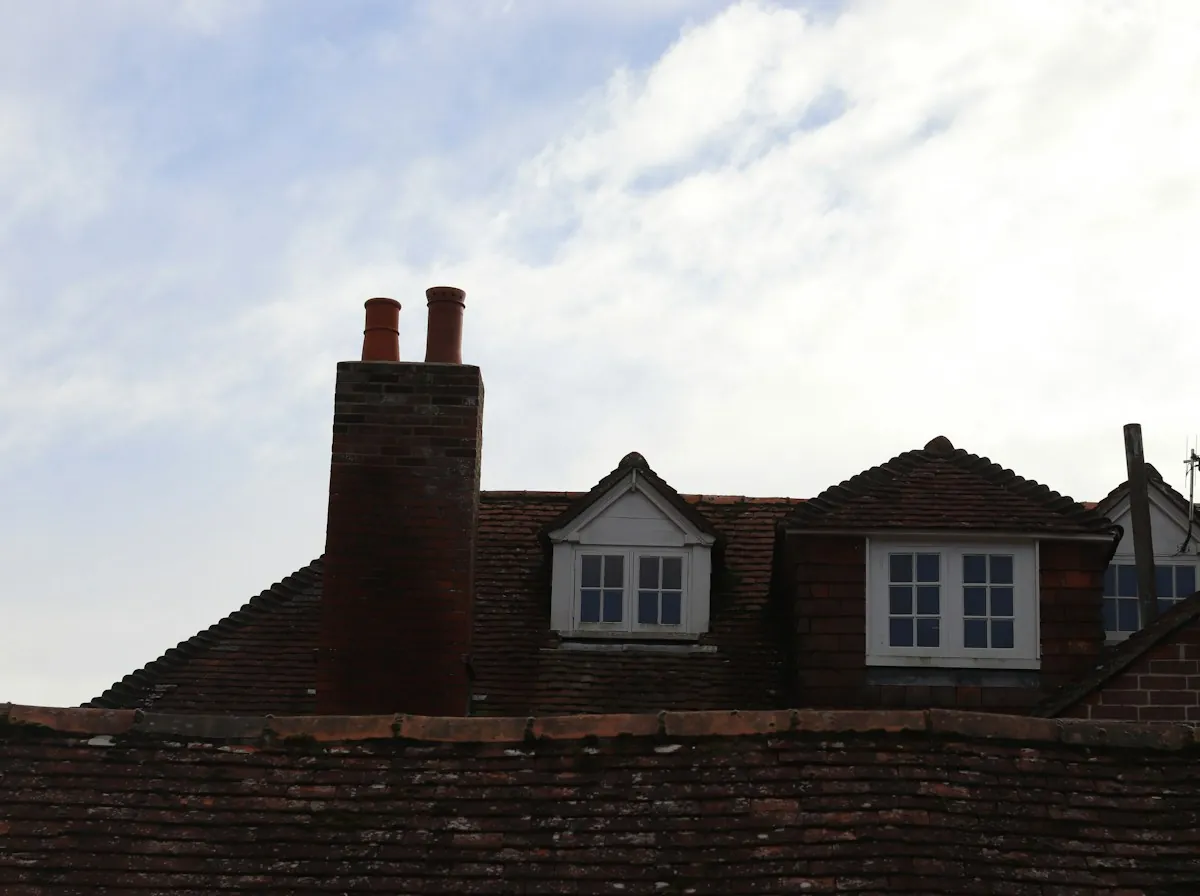
Two failures dominate repair work across this city. Chimney flashing, because a masonry stack moves independently of the roof it passes through and pre-war housing has one on nearly every property. And the eaves in winter, on the many roofs that were never built with an ice barrier under the first three feet.
Elizabeth's housing is old enough that most roofs here predate the ice-barrier detail entirely, which is why the same leak comes back every February on some streets.
That water is now standing above the line a shingle roof is designed to shed from. Shingles shed water running downhill; they are not a tanked surface. So it goes in under the courses, along a rafter, and drops somewhere inside that looks nothing like the place it entered.
Including us. On repair work the checks are different from the ones people apply to a replacement, and cheaper to make.
The single most useful question on this page. A repair quoted from the roof alone is a repair quoted without knowing where the water traveled, and that is how a patch ends up in the wrong place. It costs nothing to ask and it separates most quotes immediately.
'Repair roof' is not a scope. 'Rebuild step flashing to the chimney, replace two vent boots, re-lap the valley' is -- and it can be checked when it is finished, which is the point.
Ask before, not after. A repair aimed at a named cause can be stood behind; a patch aimed at a stain cannot, and a contractor who is vague about the cause will be vague about this too.
Most repair calls in this city are second-time calls: a leak somebody has already paid to fix, back again.
On pre-war housing the answer is usually the chimney.
Most low slope in this city is a rear extension or a porch, and it was built with marginal fall because the run is short.
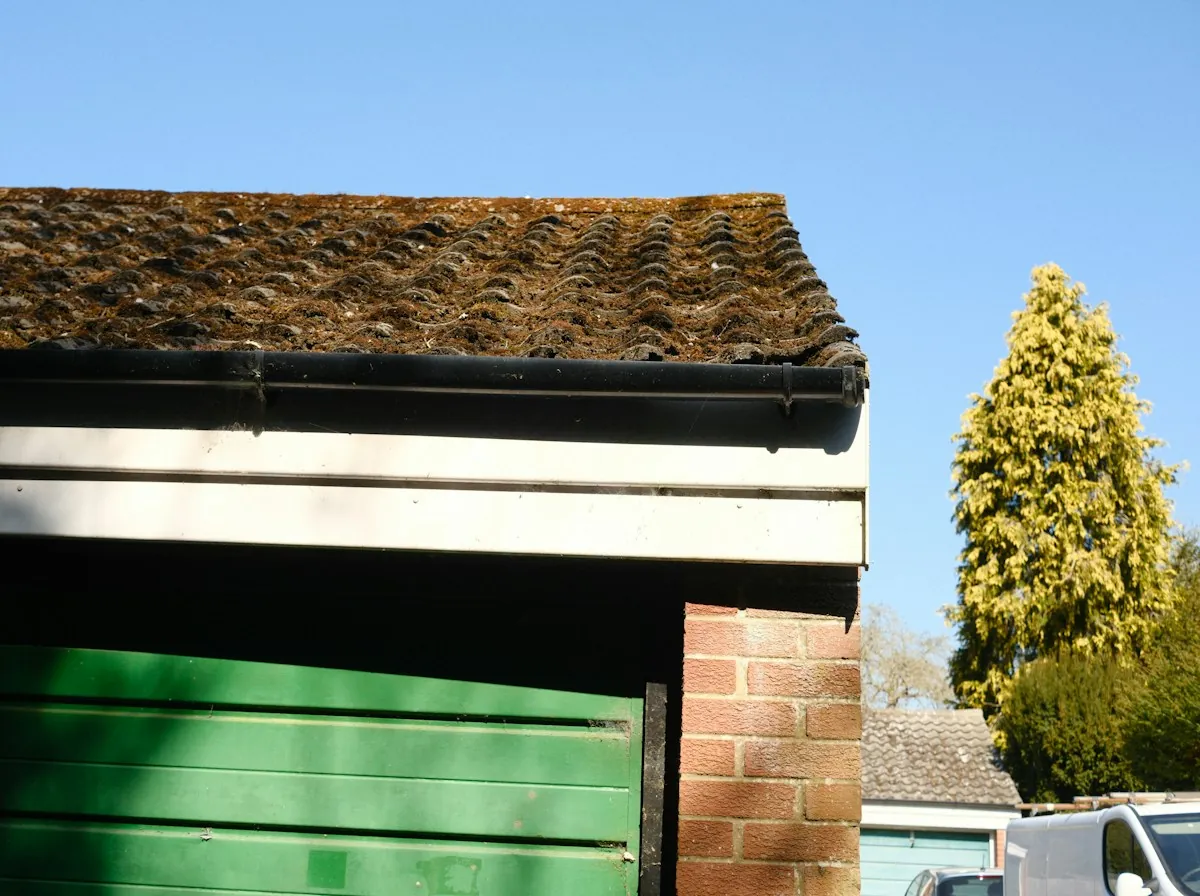
The eaves are where winter does its work on this housing, because most of these roofs predate the ice-barrier detail.
This is the commonest leak in the city, and the reason is simply how much pre-war housing there is.
When you ring, say what is underneath the wet area and whether this started during rain or during a thaw.
Flat roofs behind parapets. Access is the first problem.
Low ground, open water. Which way is the water going?
Post-war and often overlaid, so the eaves are buried.
Steep pitch. Specific details fail, not the field.
Rear additions and garages, and their junctions.
Built as a set, so the street is a reliable guide.
The widest age spread. Age decides where to look.
The questions that decide this job, answered up front.
We can clear it, and sometimes that is the right emergency step. But it will be back within the week, because the cause is heat escaping into the roof space and nothing about clearing ice changes that. Steam removal and chipping both risk the covering, and chipping frequently does real damage.
They can keep a channel open and stop water pooling behind a dam, which is a legitimate holding measure on a roof that cannot be improved this year. They do not stop the melting, they cost money to run every winter, and anybody selling them as the solution is selling a symptom.
Most New Jersey roof repairs run $350 to $1,800, with minor work from $150 to $600. A leak is usually $400 to $1,400 and a small isolated one $400 to $900. Flashing is $300 to $900, or $300 to $1,200 around a chimney, vent or skylight. New Jersey runs above the national average on labor, which is why online calculators read low.
Almost certainly because the repair went where the ceiling was wet rather than where the water entered. Water gets in at a junction, runs along a rafter and drops at the first low point, which on a shallow pitch can be several feet away. That is why the roof space gets inspected here before anything is quoted -- the underside of the deck shows the direction of travel.
Usually not. New Jersey treats repair or replacement of an existing roof covering on a DETACHED one- or two-family dwelling as ordinary maintenance under N.J.A.C. 5:23-2.7 -- no permit, no notice, no inspection. Attached houses, buildings with three or more units and anything structural are the exceptions, and we tell you which you are at the survey.
The roof space walked as well as the roof, before any price. The cause named in writing, not just the work.