Roof repair in Elizabeth, NJ that starts with finding the cause. Most repeat leaks on this housing were patched where the stain was rather than where the water got in.
Most repair calls in this city are second-time calls: a leak somebody has already paid to fix, back again. The reason is almost always that the patch went where the ceiling was wet rather than where the water entered, and on pre-war housing with a masonry chimney the entry point is usually the flashing around it.
Roof repairs in New Jersey run $350 to $1,800 for most jobs, with minor work from $150 to $600. Those are state figures. The reason the spread is that wide has almost nothing to do with the size of the hole and everything to do with whether anybody worked out what caused it.


Most New Jersey roof repairs land between $350 and $1,800, with minor work from $150 to $600. New Jersey sits above the national average on labor, so an online calculator will read low here. What moves a repair price is not the size of the hole, it is whether anybody established what caused it. Locally, two things move a repair quote more than the repair does. Whether the leak has been patched before, because undoing somebody else's sealant is real work. And whether the eaves have an ice barrier, because on most of this housing they do not, and that changes what a repair down there can honestly achieve.
Calling at the first stain, an accessible roof, and a cause that is a single failed detail rather than a pattern. A straightforward flashing or a perished vent boot is at the bottom of every range on this page.
A leak that has already been patched, because now there is somebody else's work to undo. A steep roof needing staging. Wet decking. And a cause in the roof space rather than on the covering, which is a larger conversation.
If the same slope has been patched twice, we will say so rather than selling a third patch. A repair is worth its price when the covering around it still has life in it, and not otherwise.
REQUEST A QUOTE
Complete the form and describe the work you need help with.
What this often turns out to be instead, and the cost of each.
Most roofs in this city predate the ice-barrier detail entirely, which is why the same eaves leak returns every February on some streets.
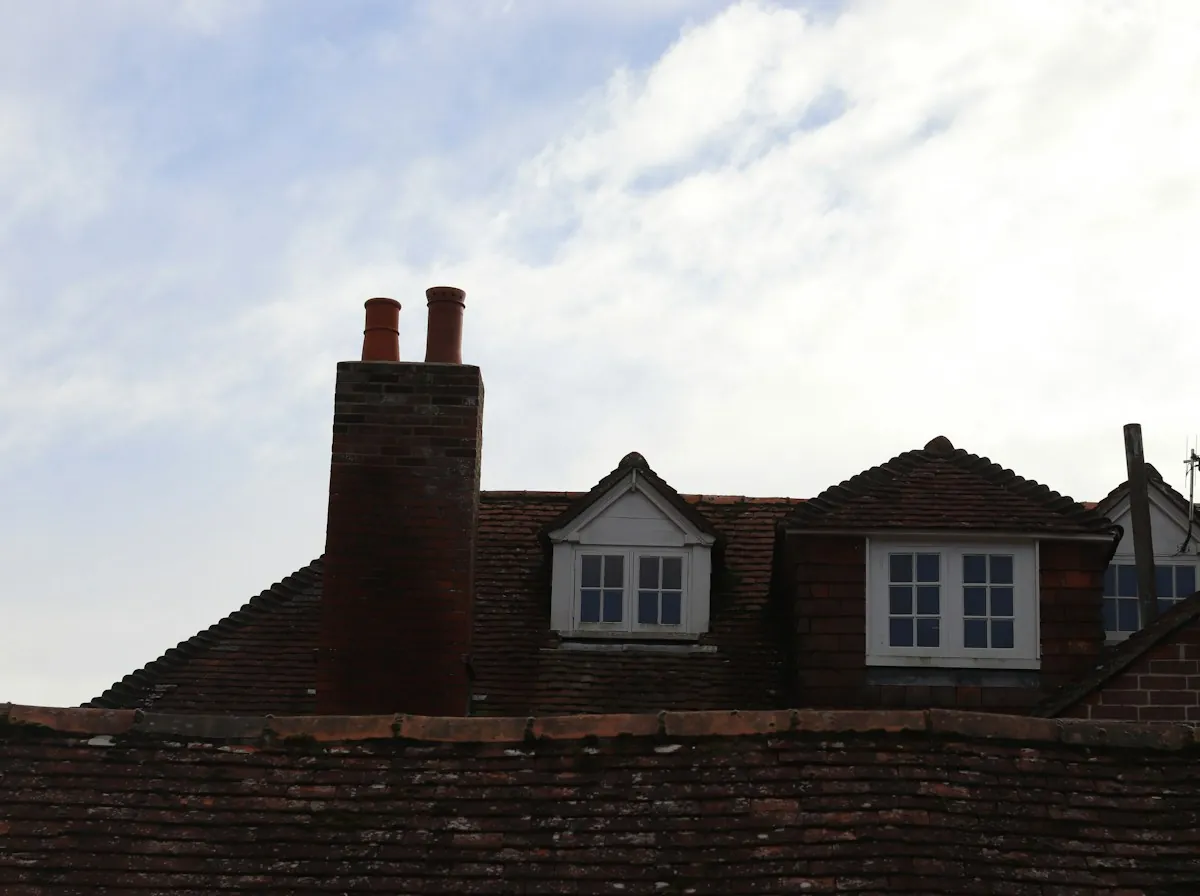
On pre-war housing the answer is usually the chimney.
Most low slope in this city is a rear extension or a porch, and it was built with marginal fall because the run is short.
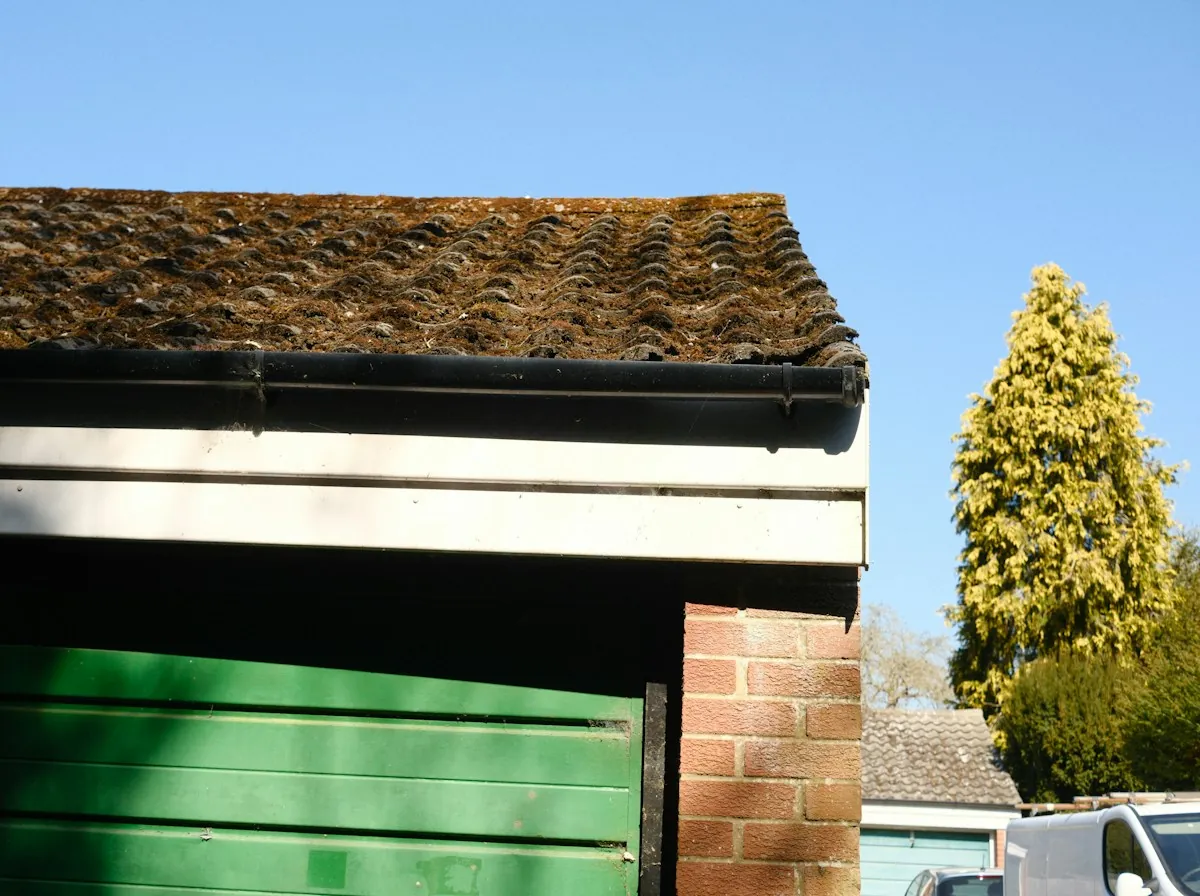
The eaves are where winter does its work on this housing, because most of these roofs predate the ice-barrier detail.
This is the commonest leak in the city, and the reason is simply how much pre-war housing there is.
When you ring, say what is underneath the wet area and whether this started during rain or during a thaw.
A large share of the work on this site is second-time work, and the reason is almost always diagnosis rather than workmanship.
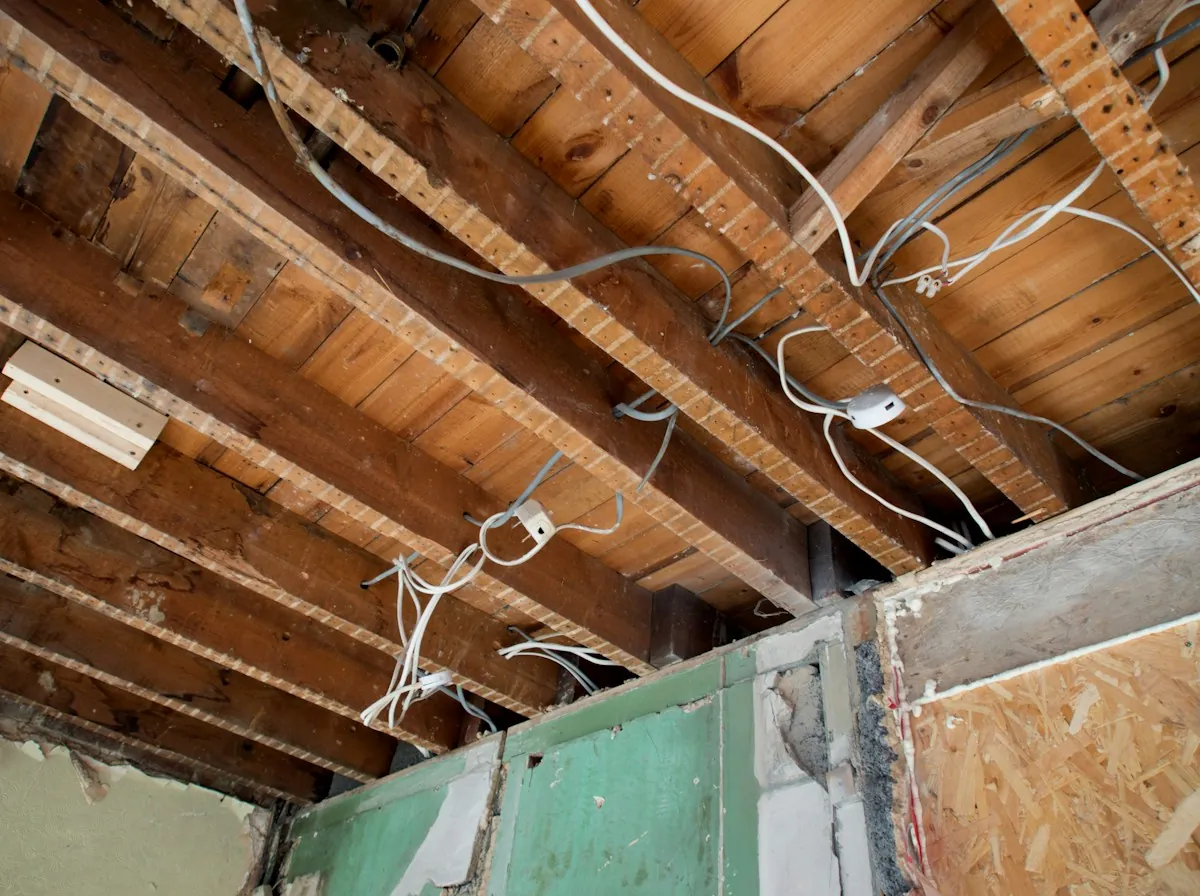
It enters at a junction -- a flashing, an upstand, a penetration, a lap -- then runs along the top of a rafter until it meets a low point and falls. On a shallow pitch that can be several feet from where it got in, so the wet ceiling is evidence of where the water ended up, not where it started.
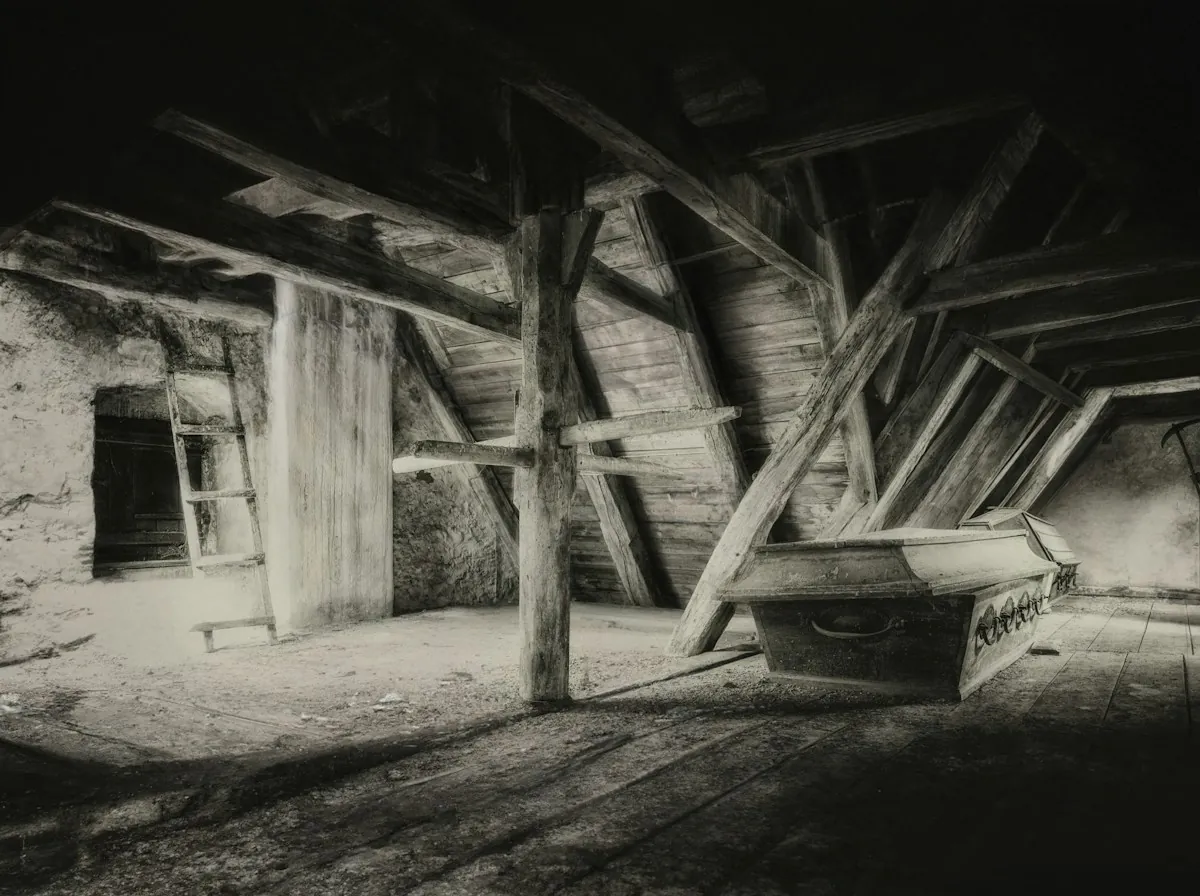
The underside of the deck carries tide marks that show the direction of travel, and daylight shows through anything genuinely open. Ten minutes up there regularly saves an afternoon of guessing on the roof, and it is the part most quotes skip.
Leaks in driving rain but not in vertical rain: an upstand or a lap. Leaks every time it rains: something genuinely open. Leaks during a thaw with no rain at all: an ice dam, and the covering above may be perfectly sound.
If the cause is heat escaping into the roof space, the fix is air sealing, insulation and ventilation. We will say so and write it down, rather than selling you a repair that buys one winter and comes back.
Free inspection of the roof and the roof space, the cause named in writing, then a written quote.
Tell us when it leaks -- in rain, in driving rain, or during a thaw -- and what is under the wet area. Those two answers narrow the cause further than a photograph does, and the thaw answer changes the diagnosis entirely.
Unusual order and a deliberate one. The underside of the deck shows where water has actually traveled, which is normally uphill of the stain. Then the roof, with the eaves and the flashings looked at by hand rather than from the ladder.
Named: which flashing, which lap, which upstand, or which part of the roof space is losing heat. Where the honest answer is that the fix is not roofing, that is written down too, with what it would take.
Containment first if it is live, the repair when the roof is dry, and a before-and-after set that is yours whatever you decide to do next.
Including us. On repair work the checks are different from the ones people apply to a replacement, and cheaper to make.
New Jersey registers home improvement contractors rather than licensing roofers, and the number belongs on every advert and contract. The register is public. The wording is a tell as well: the code says not to call it a license, so a New Jersey roofer advertising their roofing 'license' has not read the rules closely.
The single most useful question on this page. A repair quoted from the roof alone is a repair quoted without knowing where the water traveled, and that is how a patch ends up in the wrong place. It costs nothing to ask and it separates most quotes immediately.
'Repair roof' is not a scope. 'Rebuild step flashing to the chimney, replace two vent boots, re-lap the valley' is -- and it can be checked when it is finished, which is the point.
Ask before, not after. A repair aimed at a named cause can be stood behind; a patch aimed at a stain cannot, and a contractor who is vague about the cause will be vague about this too.
This is the leak that gets patched three times. Heat escaping into the roof space melts the snow on the upper roof. The meltwater runs down to the eaves, which are cold because nothing heated sits under them, and refreezes into a ridge of ice. Water then stands behind that ridge, above the line a shingle roof is designed to shed from, and goes in under the courses.
The timing is the giveaway and almost nobody reads it. Rain leaks during rain. An ice dam leaks during a thaw -- frequently on a bright day after a cold week, which is precisely when a homeowner stops suspecting the roof and a contractor starts guessing. If your ceiling stains in mild weather, the covering above it may be perfectly sound.
And the honest version of the fix is only partly roofing. Air sealing, insulation and ventilation stop the melting; an ice barrier membrane at the eaves is the layer that catches what gets through anyway. Repairing the shingles alone buys exactly one winter, and we would rather tell you that at the survey than sell it to you twice.

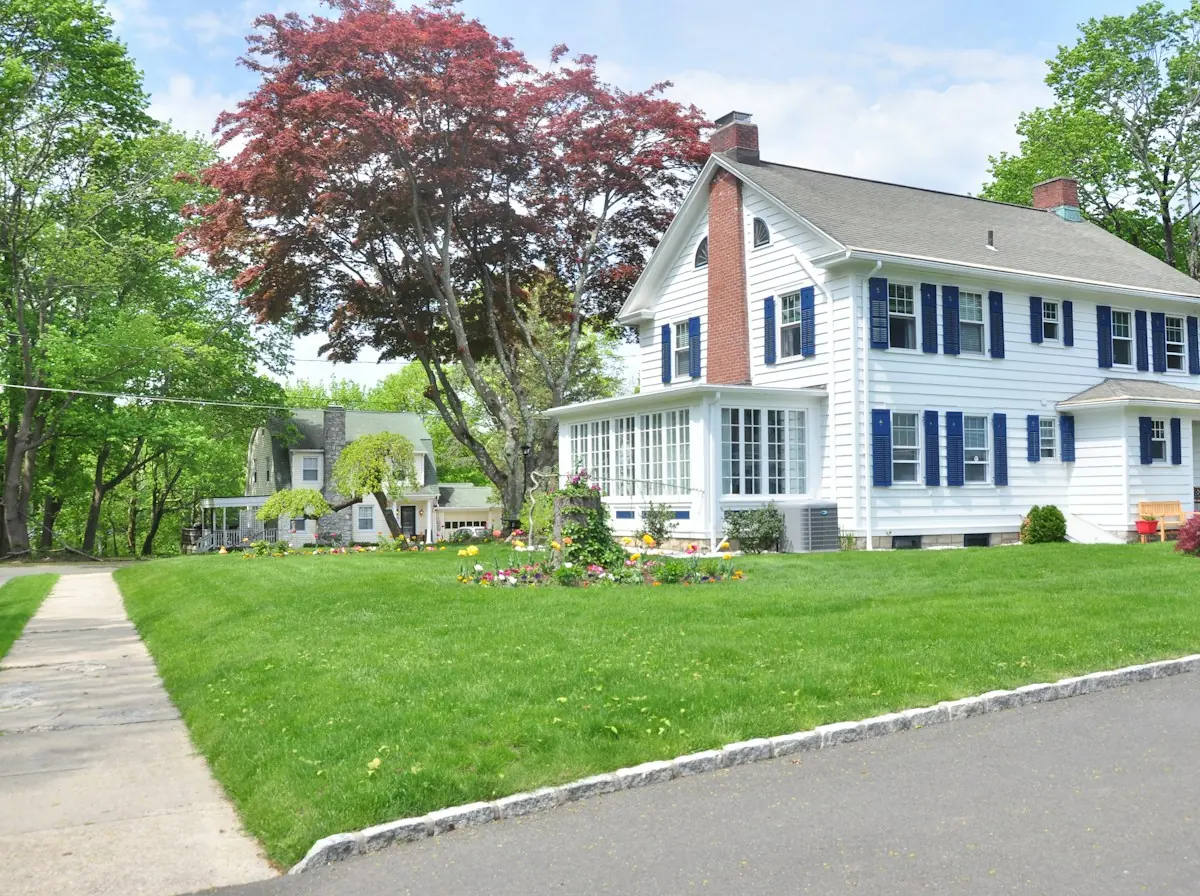
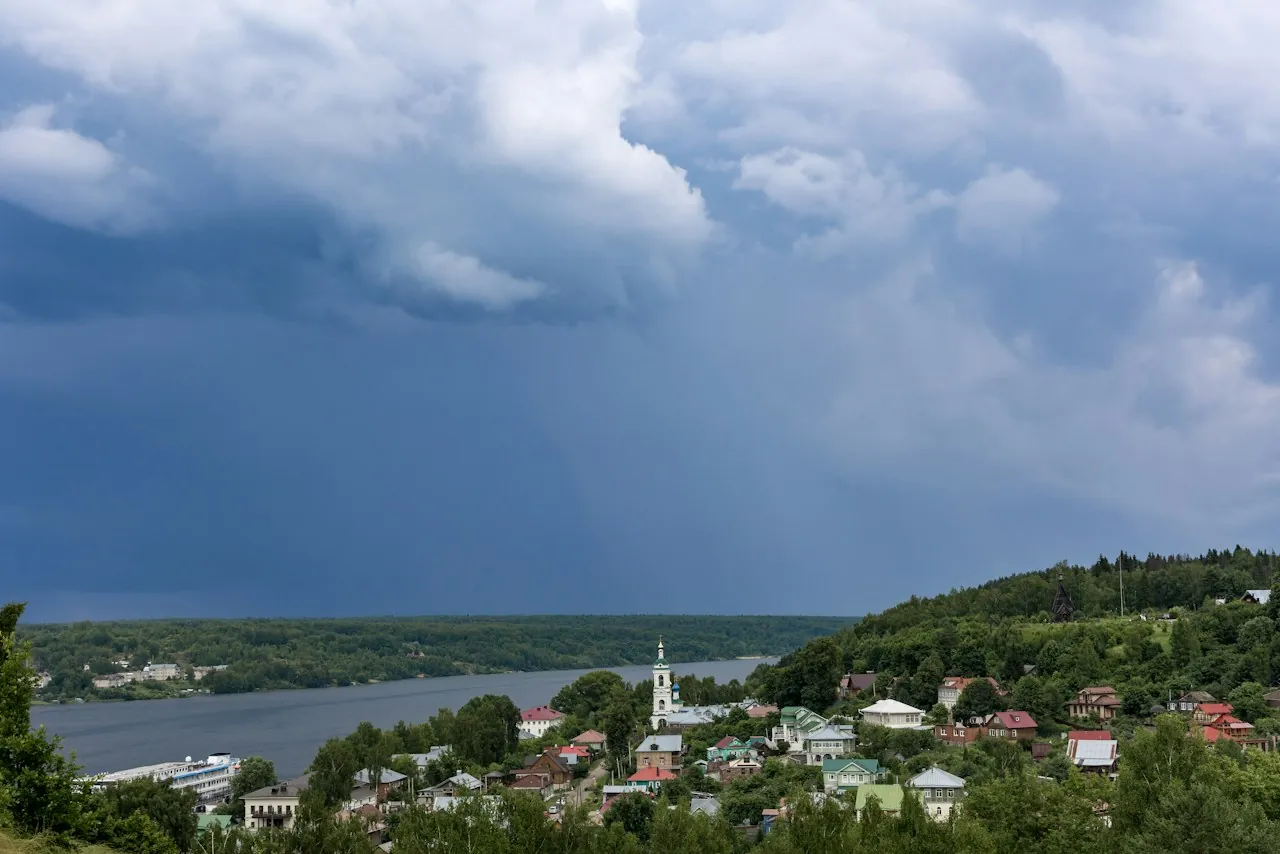
New Jersey's fourth largest city, and one of its oldest, laid out around Broad Street long before the rail lines and the port arrived. Dense and overwhelmingly pre-1960, with masonry chimneys on most of the older housing and a great deal of small multi-family alongside single and two-family houses.
Two failures dominate repair work across this city. Chimney flashing, because a masonry stack moves independently of the roof it passes through and pre-war housing has one on nearly every property. And the eaves in winter, on the many roofs that were never built with an ice barrier under the first three feet.
Elizabeth's housing is old enough that most roofs here predate the ice-barrier detail entirely, which is why the same leak comes back every February on some streets.

Elizabeth neighborhood by neighborhood, plus Linden, Roselle Park, Union, Kenilworth and Rahway, where the stock changes every few streets.
Flat roofs behind parapets. Access is the first problem.
Low ground, open water. Which way is the water going?
Post-war and often overlaid, so the eaves are buried.
Steep pitch. Specific details fail, not the field.
Rear additions and garages, and their junctions.
Built as a set, so the street is a reliable guide.
The widest age spread. Age decides where to look.
The awkward questions, taken in order.
Usually close, rarely exactly. Recent asphalt is widely available; older profiles and discontinued colors are not, and a new shingle never matches one that has had ten winters on it. Where a perfect match is impossible we take material from a low-visibility slope and put the near match there.
As long as the covering around it, if the repair was aimed at the right cause. That is the whole argument of this site: a good repair in a finished roof is money spent twice, and a good repair aimed at the wrong place fails whatever it cost.
Most New Jersey roof repairs run $350 to $1,800, with minor work from $150 to $600. A leak is usually $400 to $1,400 and a small isolated one $400 to $900. Flashing is $300 to $900, or $300 to $1,200 around a chimney, vent or skylight. New Jersey runs above the national average on labor, which is why online calculators read low.
Almost certainly because the repair went where the ceiling was wet rather than where the water entered. Water gets in at a junction, runs along a rafter and drops at the first low point, which on a shallow pitch can be several feet away. That is why the roof space gets inspected here before anything is quoted -- the underside of the deck shows the direction of travel.
Usually not. New Jersey treats repair or replacement of an existing roof covering on a DETACHED one- or two-family dwelling as ordinary maintenance under N.J.A.C. 5:23-2.7 -- no permit, no notice, no inspection. Attached houses, buildings with three or more units and anything structural are the exceptions, and we tell you which you are at the survey.
Free inspection of the roof and the roof space, the cause named in writing, and both options priced where both exist.