Roof Repair in Kenilworth from $150. New Jersey repair prices, the cause found before the patch, and an honest answer when the cause is not the roof. Free inspection and a written quote.
Streets built as a set age as a set, which makes this the easiest place on the list to diagnose. If the houses either side of you have had the same problem, yours is not a mystery -- and it is worth saying on the phone, because it saves time that you are paying for.
Roof repairs in New Jersey run $350 to $1,800 for most jobs, with minor work from $150 to $600. Those are state figures. The reason the spread is that wide has almost nothing to do with the size of the hole and everything to do with whether anybody worked out what caused it.


Most New Jersey roof repairs land between $350 and $1,800, with minor work from $150 to $600. New Jersey sits above the national average on labor, so an online calculator will read low here. What moves a repair price is not the size of the hole, it is whether anybody established what caused it. Consistent housing keeps prices predictable and surprises rare, which is worth more than it sounds. It also means a neighbor's invoice is a reasonable benchmark for your own -- and if a quote is far above the street, that is a fair question to ask.
Calling at the first stain, an accessible roof, and a cause that is a single failed detail rather than a pattern. A straightforward flashing or a perished vent boot is at the bottom of every range on this page.
A leak that has already been patched, because now there is somebody else's work to undo. A steep roof needing staging. Wet decking. And a cause in the roof space rather than on the covering, which is a larger conversation.
If the same slope has been patched twice, we will say so rather than selling a third patch. A repair is worth its price when the covering around it still has life in it, and not otherwise.
A compact Union County borough with a long-standing industrial edge and a settled residential grid.
Consistent mid-century single-family housing, largely detached, on similar plots to one another.
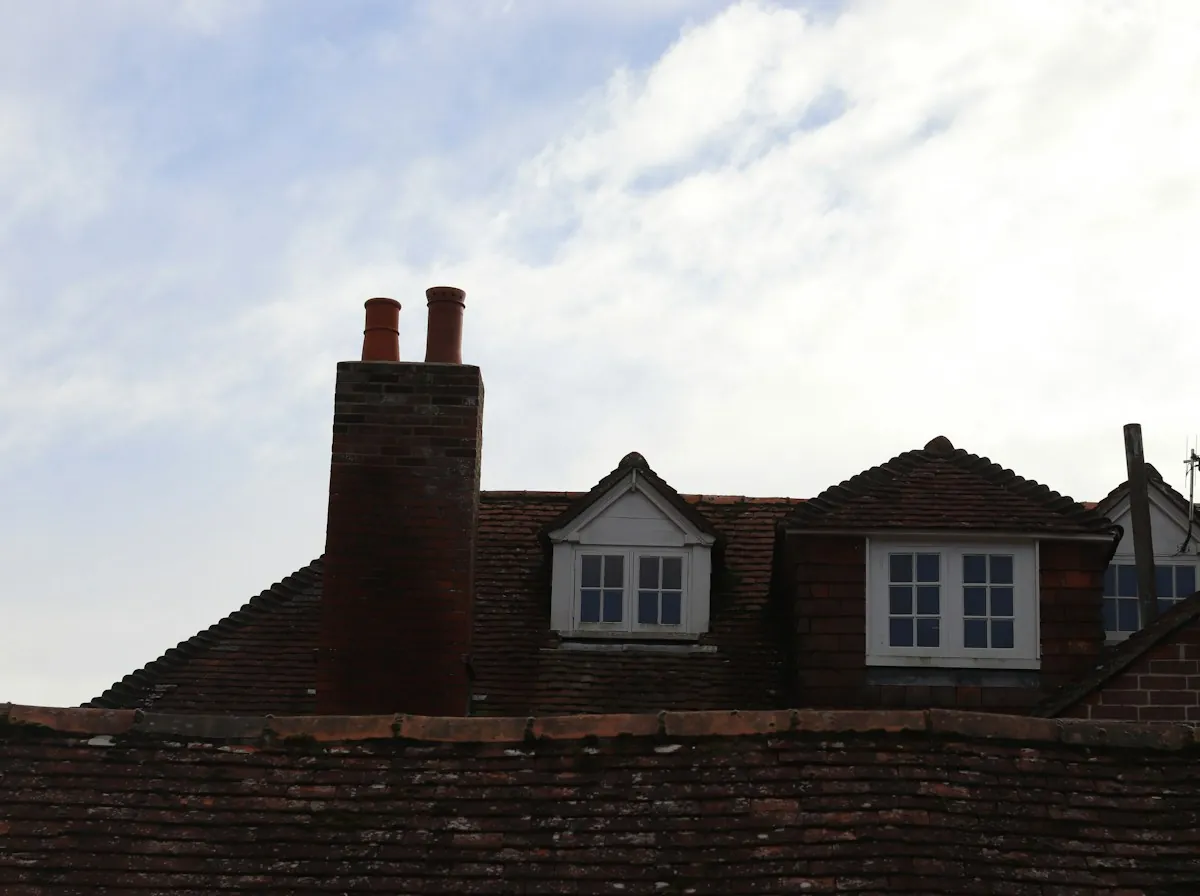
Consistency is the useful thing about Kenilworth. Where a street was built as a set, the roofs age as a set, and a neighbor's experience is a genuinely reliable guide to what is under yours. If three houses on a road have had the same eaves problem, the fourth is not a mystery.
Worth knowing before you start ringing round, and worth acting on before the first freeze rather than after it.
Northern roofs do not fail steadily. They fail in the freeze and in the first thaw after it, which means every roofer in Union County takes the same calls in the same two weeks. A roof that could have been surveyed comfortably in October becomes a queue in January, and the repair that could have been planned becomes an emergency.
Uniform housing means uniform heat loss, so ice dams here tend to appear on the same aspect of several houses in the same week.
Tell us what the houses either side have had done.
Where a street has the same porch or extension roof on every house, they reach the end of their life together.
Uniform stock means the useful question is not what is wrong with your roof but how old it is relative to the street.
Same houses, same chimneys, same detail failing in the same decade.
A compact borough with straightforward access, so the practical limit on an emergency here is the weather rather than the geography.
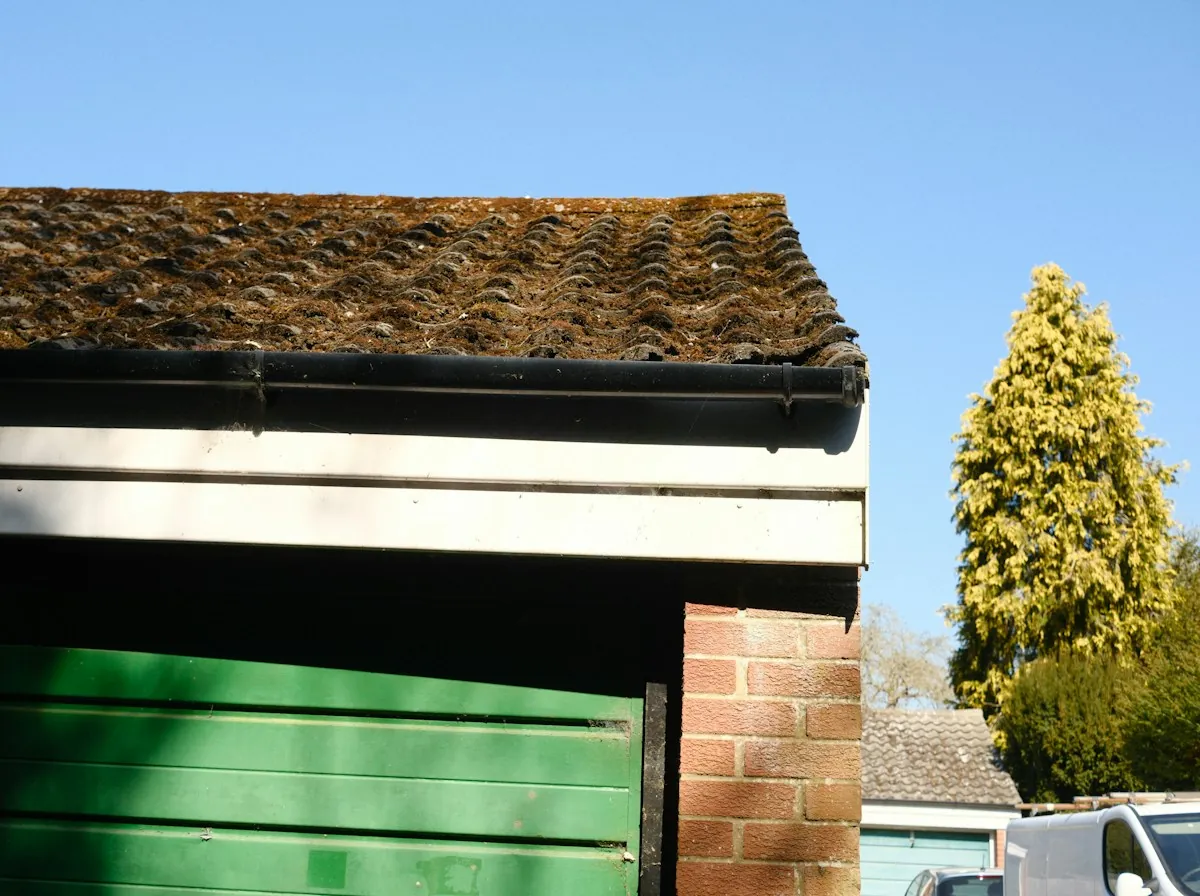
Pre-war chimneys, and eaves with no ice barrier.
Flat roofs behind parapets. Access is the first problem.
Low ground, open water. Which way is the water going?
Post-war and often overlaid, so the eaves are buried.
Steep pitch. Specific details fail, not the field.
Rear additions and garages, and their junctions.
The widest age spread. Age decides where to look.
The questions that decide this job, answered up front.
Usually close, rarely exactly. Recent asphalt is widely available; older profiles and discontinued colors are not, and a new shingle never matches one that has had ten winters on it. Where a perfect match is impossible we take material from a low-visibility slope and put the near match there.
As long as the covering around it, if the repair was aimed at the right cause. That is the whole argument of this site: a good repair in a finished roof is money spent twice, and a good repair aimed at the wrong place fails whatever it cost.
Ask for the New Jersey HIC registration number and check it on the public register. Then ask whether they will look in the roof space, and whether the quote will name the cause rather than just the work. Those three questions cost nothing and they separate most of a shortlist immediately.
No. The inspection is free, it covers the roof space as well as the roof, the written quote is free, and neither carries an obligation. The written cause is yours to keep even if you use somebody else. What we will not do is give you a price at the curb without going up.
Almost certainly because the repair went where the ceiling was wet rather than where the water entered. Water gets in at a junction, runs along a rafter and drops at the first low point, which on a shallow pitch can be several feet away. That is why the roof space gets inspected here before anything is quoted -- the underside of the deck shows the direction of travel.
The roof space walked as well as the roof, before any price. The cause named in writing, not just the work.